When a late-summer heat wave rolls through Central Pennsylvania, it’s sure to put your home’s cooling system under intense pressure. For homeowners, utility bills can climb as quickly as the temperature when your AC has to run virtually nonstop to combat humidity and high temperatures.
When the heat strikes, here are a few strategies that can help keep your HVAC system efficient, protect your home, and keep your cooling costs in check.
Why Is Extreme Heat So Hard on Your HVAC System?
Your air conditioner may run continuously during a heat wave to maintain the temperature you set. Even if that’s the case, your goal is to help it work more efficiently so it doesn’t waste energy or struggle to keep up.
Heat waves create a perfect storm of conditions:
- Higher outdoor temperatures force your AC to run longer cycles
- Increased humidity makes your home feel warmer than the thermostat reading
- Sun exposure heats up rooms faster, especially those with large windows
- Heat-producing appliances such as ovens, dryers and stovetops add unnecessary load
What’s the Best Thermostat Setting During a Heat Wave?
The Pennsylvania Public Utility Commission recommends setting your thermostat at 78 degrees during peak summer heat. This temperature is the sweet spot between comfort and efficiency, potentially saving you hundreds on your energy bills.
If 78 degrees feels too warm, try raising your thermostat gradually until you find the highest temperature you can tolerate. Even incremental adjustments make a difference. If you have a smart thermostat, set a schedule that reduces cooling load during the hottest part of the day and gradually cools your home in the evening.
Humidity also affects your comfort. If your home feels sticky even at a reasonable temperature, we offer solutions to remove excess moisture and make the air feel cooler without lowering the thermostat.
Tips to Help Your HVAC System Survive Extreme Heat
Your air conditioner can handle a heat wave, but it needs your help to do so. A few practical steps reduce strain, improve comfort, and lower your energy bill.
1. Close Blinds and Curtains During Peak Sun
Direct sunlight raises indoor temperatures by several degrees. Closing your blinds or curtains between 10 a.m. and 4 p.m. keeps rooms cooler and reduces the workload on your AC.
You’ll notice the difference, especially if you have large south‑ or west‑facing windows.
2. Use Ceiling Fans to Boost Cooling Efficiency
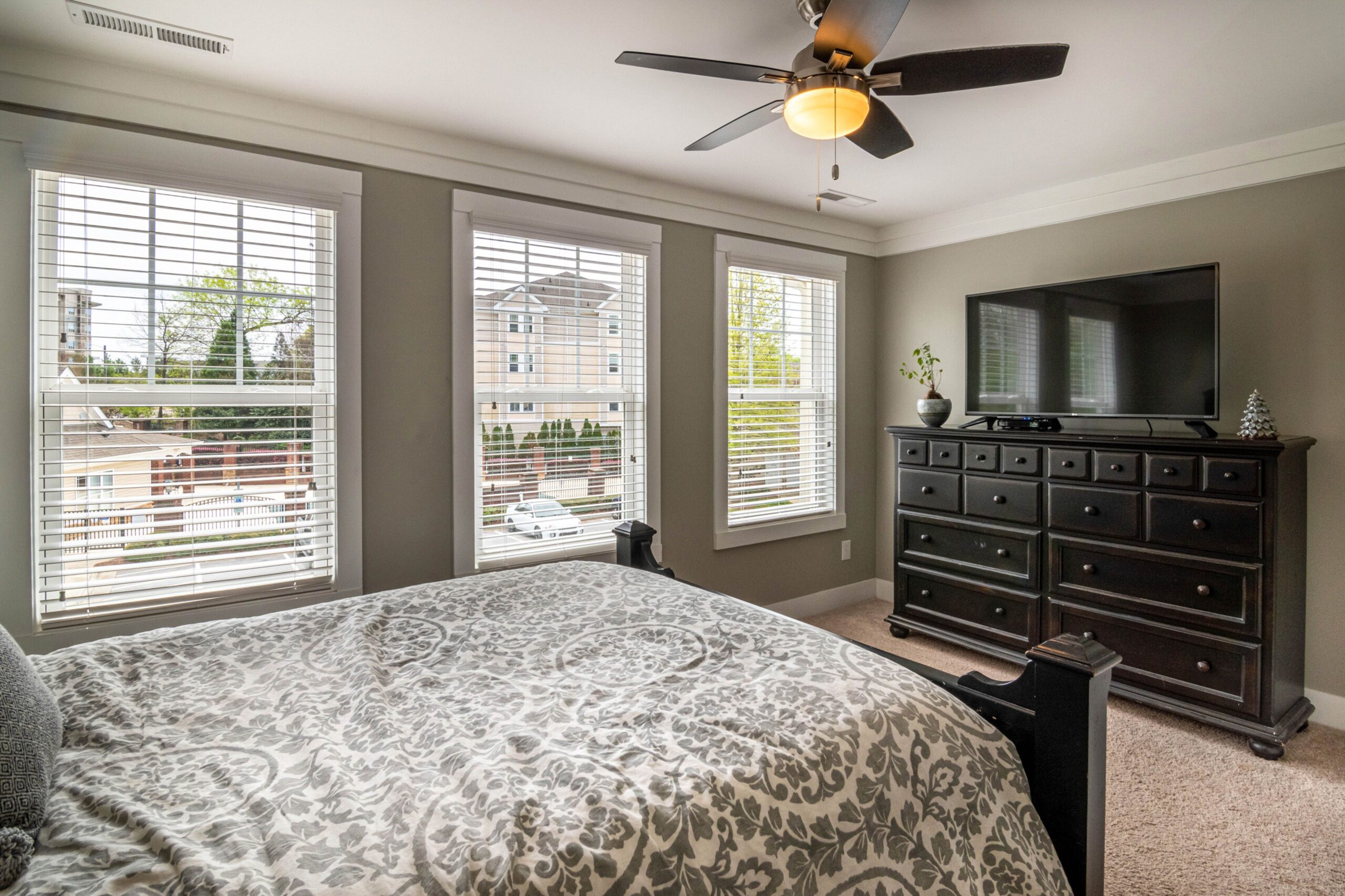
Although ceiling fans don’t directly lower the temperature, they make you feel cooler by improving air circulation.
Set your fans to spin counterclockwise in summer. They’ll push cool air downward, letting you raise your thermostat by one to two degrees without sacrificing comfort.
3. Avoid Using Heat‑Producing Appliances in the Afternoon
Running home appliances during a heat wave can create small pockets of heat that your AC unit will have to counteract. Wait until early in the morning or later in the evening to run your stove, oven, dishwasher or dryer. Every bit of reduced heat load helps your AC maintain a stable temperature.
4. Keep Interior Doors Open for Better Airflow
Closed doors trap warm air and create hot spots. Keeping doors open allows cool air to circulate more evenly throughout your home, which reduces strain on your AC.
5. Check and Change Your Air Filter
A clogged air filter is one of the most common reasons we see for why AC systems struggle during heat waves.
Replace your filter if it’s been in place for more than 90 days, you see visible dust buildup, or notice reduced airflow. Clean filters improve cooling performance and reduce energy consumption.
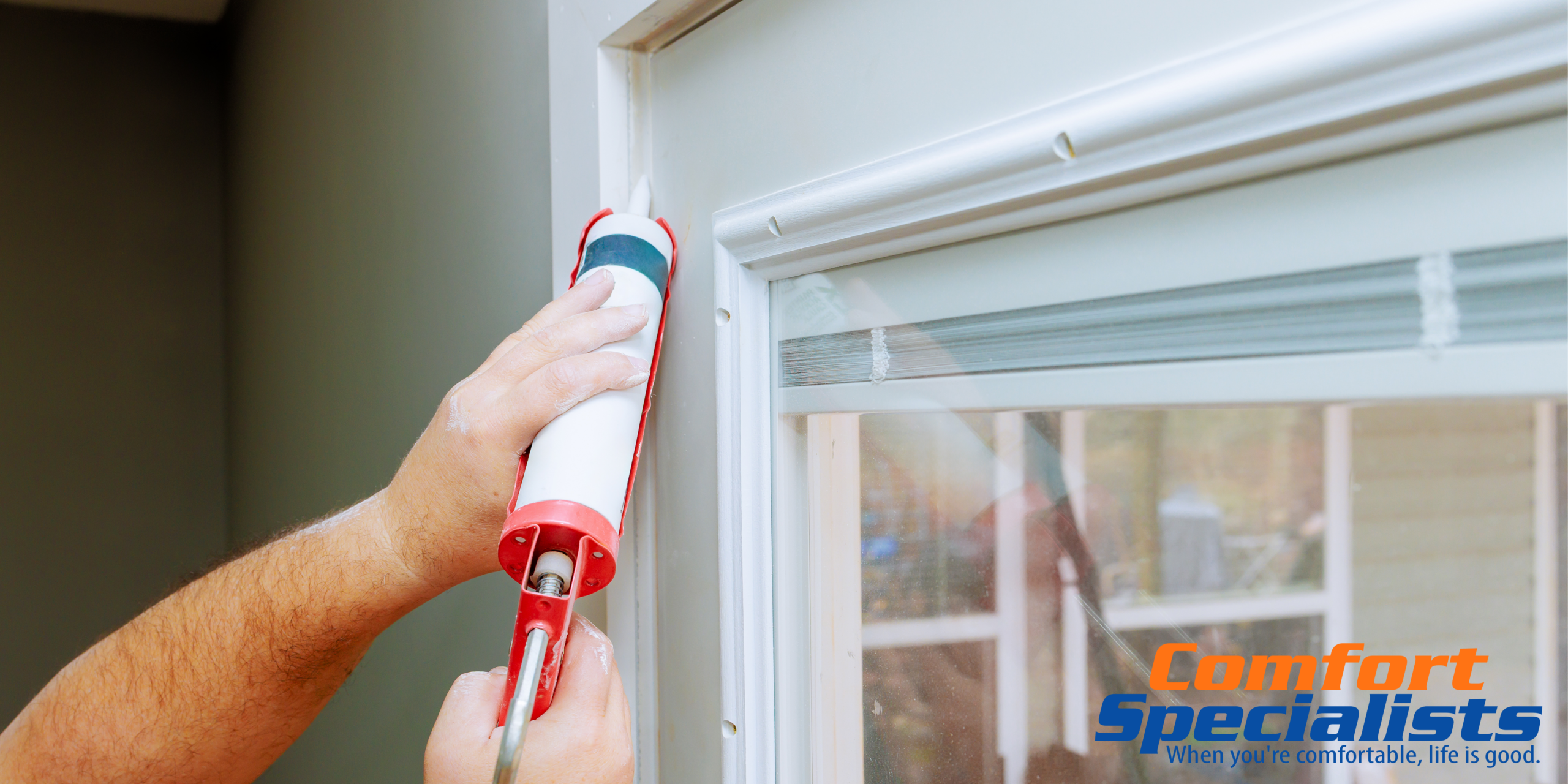
6. Seal Air Leaks Around Doors and Windows
Heat waves expose every weak point in your home’s insulation. If you allow cool air to escape, your AC will have to work harder.
Check for:
- Drafts around exterior doors
- Gaps in window frames
- Loose weatherstripping
- Unsealed attic access points
7. Use a Dehumidifier on Muggy Days
Humidity makes your home feel warmer and heavier, even if the temperature is reasonable. Use a dehumidifier to reduce moisture, improve comfort, lighten the load on your AC, and prevent mold growth. Aim for indoor humidity levels between 40% and 50%.
8. Keep Lamps and Electronics Away From Your Thermostat

Heat from nearby lamps, TVs, or computers can trick your thermostat into thinking the room is warmer than it is, causing your AC to run longer than necessary.
Make sure your thermostat is placed away from:
- Direct sunlight
- Lamps
- Electronics
- Drafty areas
Without interference, your thermostat can read the room temperature more accurately.
9. Vacuum Your Supply Vents
Dust buildup around vents restricts airflow and reduces cooling efficiency.
A quick vacuum pass improves circulation, helps your AC cool rooms more evenly, and reduces strain on your system. Make sure vents are fully open and not blocked by furniture or rugs.
10. Give Your Outdoor Unit Some Shade
Your outdoor condenser works its hardest during extreme heat. Providing light shade, like a nearby tree or awning, can reduce heat load.
Just make sure your unit has at least 2 feet of clearance on all sides, no overgrown plants, and no debris that can block airflow.
Signs Your AC Is Struggling During a Heat Wave
Your HVAC system may need professional attention if you notice any of these red flags:
- Warm air coming from vents
- Weak airflow
- Ice on the refrigerant lines
- Strange noises
- AC running nonstop without cooling
- Hot spots in specific rooms
- Rising humidity indoors
When to Call a Professional
There are times when DIY is not appropriate, cost-effective, or even safe. If you Comfort Specialists services all of central Pennsylvania from its offices in Selinsgrove and State College. We’re there to get your AC up-and-running should you happen notice any of the following issues. Don’t wait – call an HVAC technician today.
- Your AC can’t maintain your set temperature
- You notice unusual smells or sounds
- Your utility bill spikes suddenly
- Your home feels humid even with the AC running
- The outdoor unit overheats
- Your system cycles rapidly
Minor issues can escalate quickly in extreme heat. Our cooling professionals ensure proper refrigerant levels, clean coils, and efficient operation.
Staying Safe and Comfortable During Extreme Heat
Heat waves are tough on everyone — especially your HVAC system. Use these strategies to keep your home at a reasonable temperature, protect your air conditioner from premature failure and avoid skyrocketing energy bills.
Contact us today if your home still feels uncomfortable or your AC is struggling to keep up. Our team will be happy to help you stay comfortable through the hottest days of summer.