Quick answer: Test your furnace a week or two before Thanksgiving so there’s time for a repair. Swap the air filter if it’s dirty or more than three months old. Once guests arrive, nudge the thermostat down a few degrees — a full house and a busy oven add plenty of heat. Run the range hood while you cook, and save our 24/7 number in case the heat quits mid-holiday.
Thanksgiving is one of the most joyful days of the year: people count their blessings while surrounded by family and friends. Agreeing to host means committing to weeks of planning, prepping, cleaning and cooking. You’re also responsible for making all your guests feel welcome when they arrive at your door.
Between a bustling kitchen, a crowded house and Pennsylvania’s unpredictable autumn weather, your heating system will work even harder than your oven during Thanksgiving weekend. If you’re willing to be proactive, you can avoid inconsistent temperature swings and unexpected HVAC hiccups that can make your holiday memorable for all the wrong reasons.
Why Hosting Puts Extra Pressure on Your HVAC System
Thanksgiving creates a perfect storm of challenges for HVAC equipment. Preparation will keep you and your guests comfortable, no matter how lively your gathering becomes.
- Full houses warm up quickly: Even if you usually keep your thermostat at a tolerable setting, the extra body heat from your guests can increase indoor temperatures faster than you expect.
- Cooking generates excess heat: Preparing a complete Thanksgiving dinner involves spending hours in the kitchen. The warmth from your stove and oven will spread through your house, making some rooms feel unbearably hot.
- Doors open constantly: Every time more guests arrive or someone steps outside to check on the smoker, it will let cold air in and warm air out.
- Humidity changes: Cooking adds moisture to the air, while chilly outdoor temperatures can make other rooms feel dry. Balancing humidity is an indoor air quality solution worth investing in.
How Early Should You Test Your Heating System Before Thanksgiving?
Don’t wait until Thanksgiving morning to discover your heater isn’t cooperating. Putting everything through its paces a week or two before your guests arrive will give you time to address issues.
Thanksgiving HVAC checklist:
- Switch your thermostat to HEAT.
- Raise the temperature a few degrees.
- Listen for the heating cycle to start.
- Check all your vents to make sure they’re open, circulating warm air and unblocked by furniture or rugs.
- Pay attention to unusual smells or noises.
If anything seems off, call the Comfort Specialists team to schedule professional heating service. Our comprehensive tuneups can prevent the stress and inconvenience of a holiday weekend breakdown.
How Often Should You Change Your Air Filter Before Guests Arrive?
Check the filter monthly during heating season and change it at least every three months, sooner if it looks gray or clogged. ENERGY STAR recommends a monthly inspection because a dirty filter raises energy costs and shortens equipment life.
- Change it now if it’s more than three months old, visibly dirty, or the furnace is running longer cycles than usual.
- Thicker filters (4–5 inch) last longer than 1-inch filters; check the size printed on the frame.
- Pets, recent renovation dust or a houseful of guests all load a filter faster.
Should You Turn Down Your Thermostat When Hosting a Crowd?
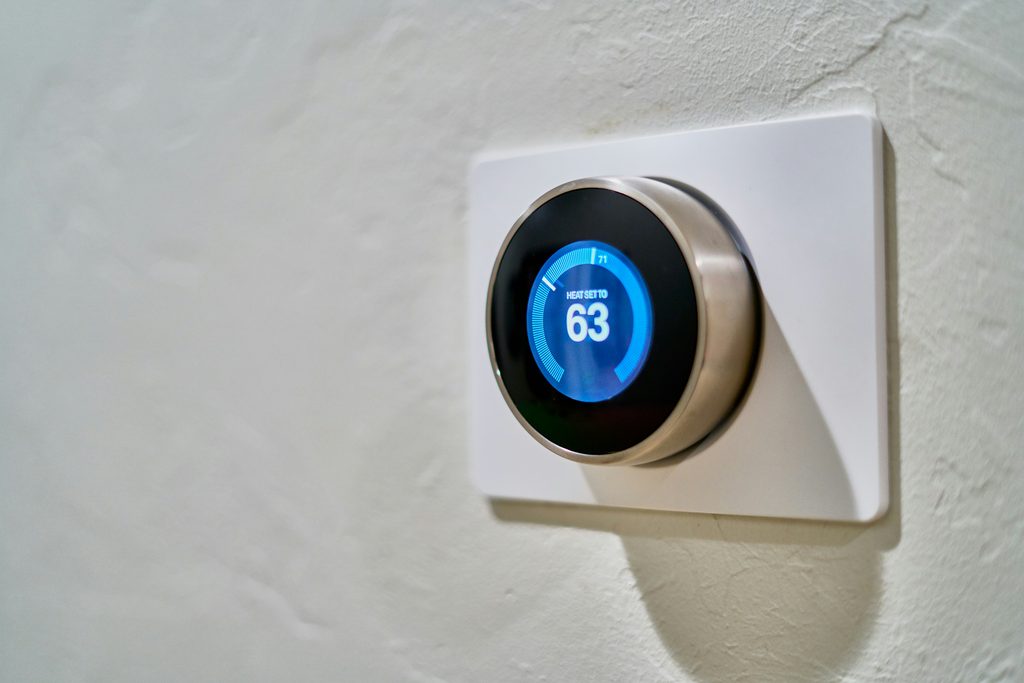 Yes, usually by a few degrees. A full house and a hot oven add a lot of heat, so a lower setpoint keeps rooms from feeling stuffy without the furnace short-cycling.
- Lower the setpoint shortly before guests arrive rather than reacting once the room is already warm.
- Pick one setting and leave it; constant adjustments make the system work harder.
- Overnight, a setback saves money: the U.S. Department of Energy estimates up to 10% a year by turning the thermostat back 7–10°F for 8 hours a day.
- A smart thermostat can handle the schedule and let you adjust from your phone while you cook.
Manage Thanksgiving Kitchen Heat Like a Pro
Your kitchen will be the busiest room in your house on Thanksgiving. Here’s how to prevent cooking heat from overwhelming your guests.
- Use your range hood fan to vent warmth outside.
- If your kitchen has a door, keep it open to limit heat buildup.
- Switch ceiling fans to spin clockwise, which will push warm air upward.
- Don’t run your oven and dishwasher at the same time if possible.
Seal Drafts Around Doors and Windows
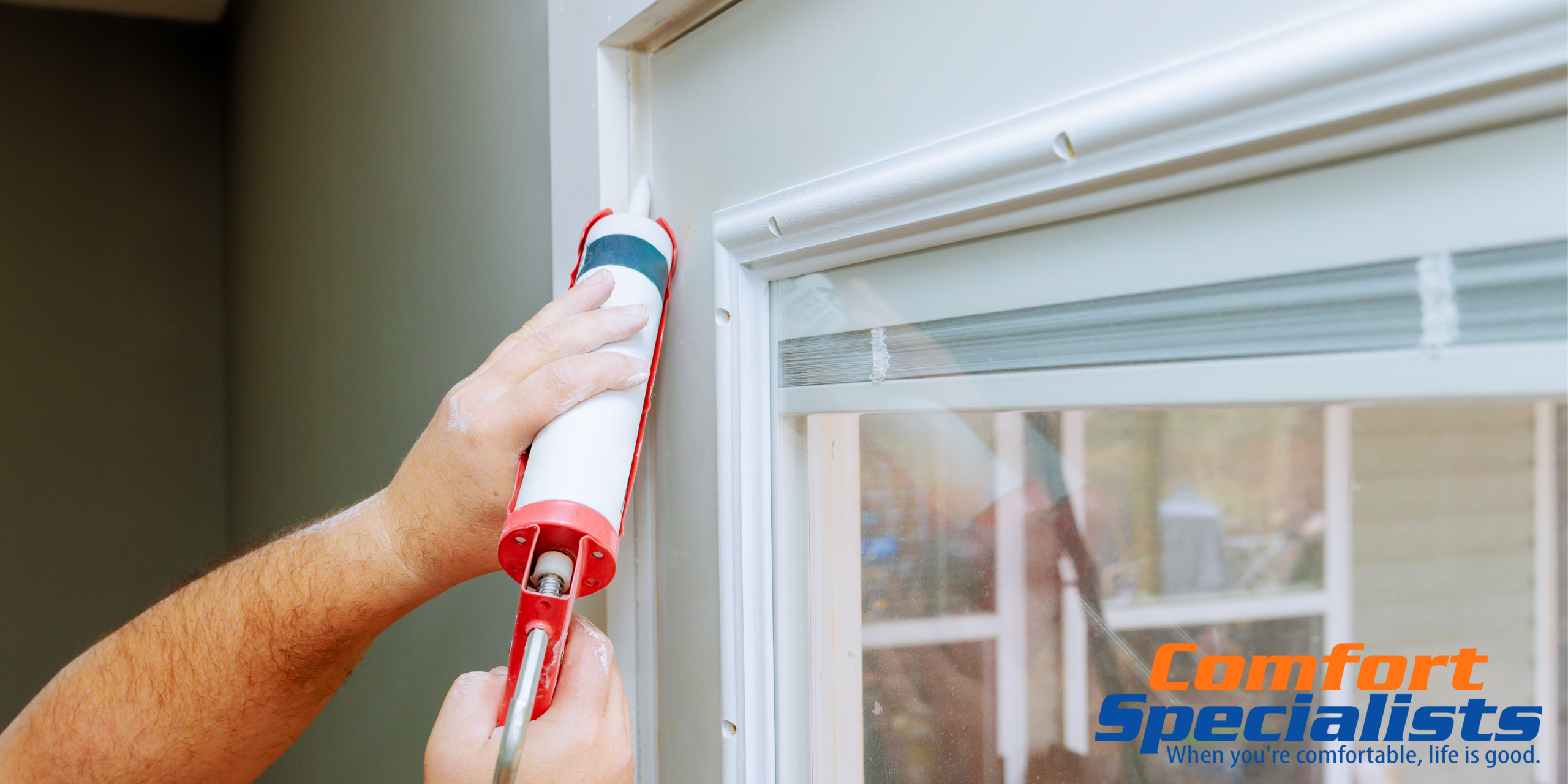
November weather is often unpredictable. A sudden cold snap can cause drafts, especially if your doors and windows are leaky.
Before Thanksgiving, schedule your in-home energy assessment. Our experienced technicians will analyze your property and suggest adjustments to maximize your utility savings and prolong your HVAC equipment life, such as custom ductwork configuration, insulation upgrades and window sealing.
Enjoy a Cozy, Stress-Free Thanksgiving
Unexpected issues sometimes pop up even with extensive preparation. If your heat stops working, Comfort Specialists’ team will quickly diagnose and repair the problem, even during the holiday rush. We’re available 24/7/365 to take your call in an emergency.

Hosting Thanksgiving is your opportunity to gather the people you love most and create memories that last long after the holiday ends. Preventive HVAC preparation creates a warm, welcoming atmosphere where every guest feels right at home, from the second you take their coats to the moment you send them home with hugs and leftovers.
If your heating system needs professional attention to handle the extra challenges of the holiday season, call 570-541-4512 or request your service online.
Thanksgiving HVAC FAQs
Will a houseful of guests make my home too warm? Often, yes. Each guest adds body heat, and an oven running for hours adds more. Lower the thermostat a few degrees before guests arrive and leave it there. If rooms still feel stuffy, run ceiling fans counterclockwise and crack the range hood or a bath fan to move humid air out.
Can oven heat confuse my thermostat? Yes, if the thermostat is in or near the kitchen. It reads the extra heat and shuts the furnace off, so the rest of the house cools down. Run the range hood while cooking and keep the kitchen door open. If it happens every holiday, ask us about relocating the thermostat or adding a remote sensor.
Should I close vents in rooms I’m not using? Close no more than one or two. Closing many vents raises pressure in the ductwork, which can reduce airflow and make the furnace work harder. A better option for guest rooms is a zoning system or a smart thermostat with room sensors.
Why are my windows fogging up on Thanksgiving? Cooking, boiling water and a crowd all add moisture, and it condenses on cold glass. Run the range hood and bathroom fans during and after cooking. If windows fog up on ordinary days too, your home may need a ventilation or humidity fix.