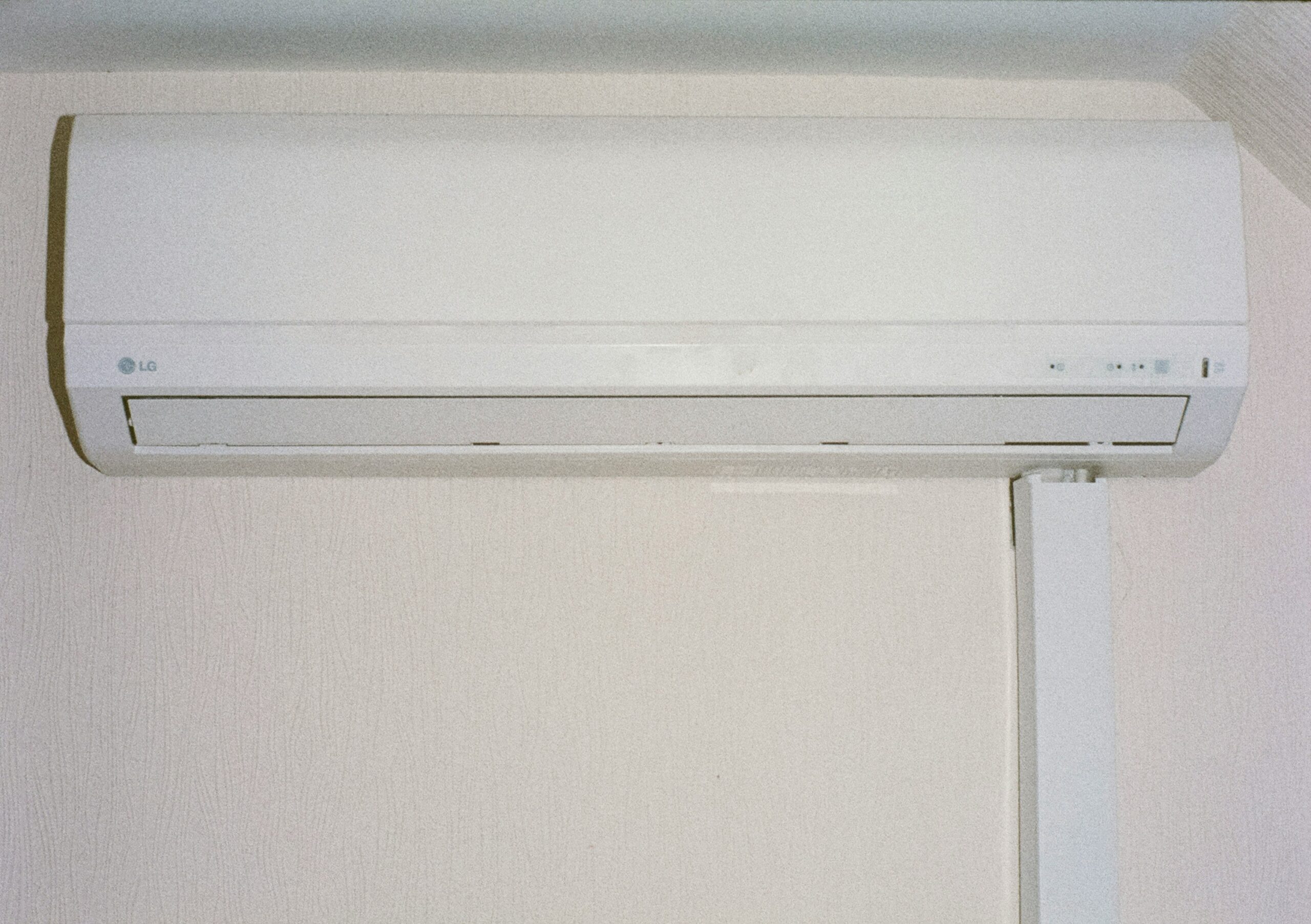
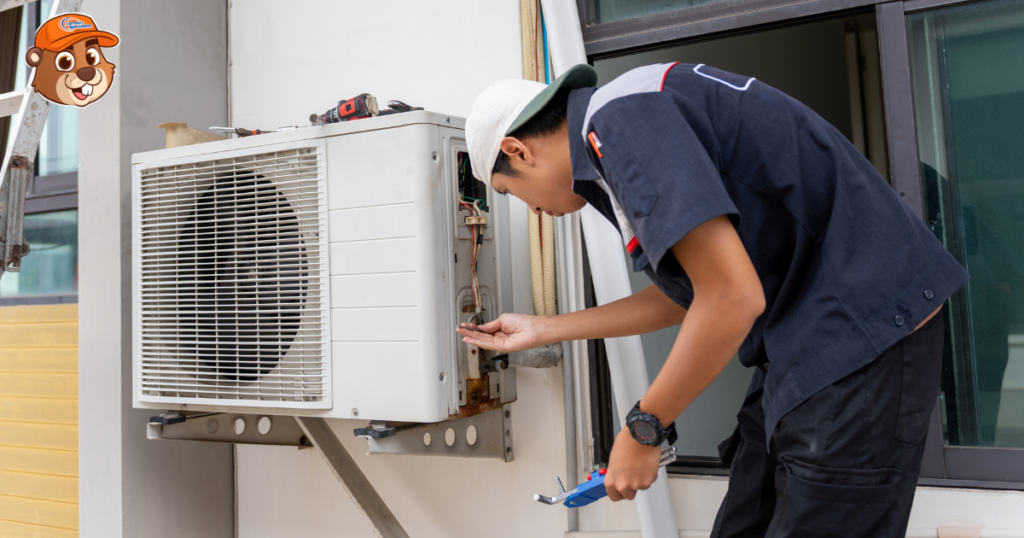
Sept. 25 is National Tune-Up Day, a reminder for homeowners that, with winter is on the way, now is the time to prepare their homes for the colder months ahead. For seasoned DIYers and homeowners with a trusted HVAC technician on speed-dial alike, this annual observance is the perfect time to give your home the attention it needs.
At Comfort Specialists, we recommend scheduling an autumn tune-up before the first cold snap arrives. Acting early means you can avoid stressful midwinter breakdowns, unexpected repair bills and chilly nights without heat. Use this guide to determine which tasks you can tackle yourself and which require a trained professional’s guiding hand.
DIY National Tune-Up Day Tasks
Dust, debris and mechanical wear can build up when your heating equipment sits unused for months, resulting in higher utility bills and increasing your chances of experiencing an untimely failure. The good news is that not every maintenance task requires a technician’s expertise. If you’re handy around the house, you can knock out many simple, effective DIY jobs in a single afternoon.
1. Replace Your HVAC Air Filter
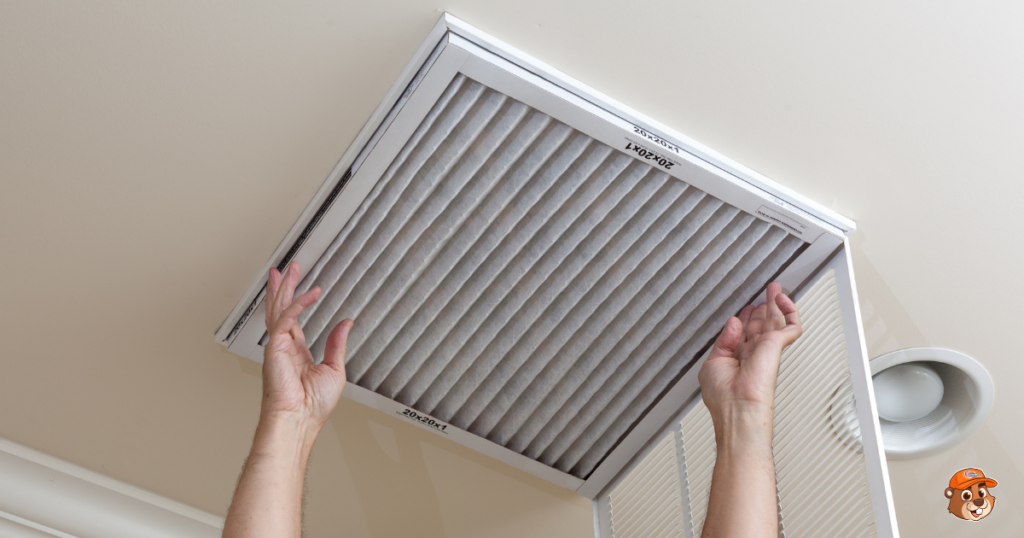
Your air filter is your home’s first line of defense against dust, allergens and debris. While clogged filters force HVAC equipment to work harder by reducing airflow and increasing energy use. Switching to a new, clean filter can quickly improve your comfort and cost savings.
What to do:
- Set a calendar reminder to replace your filter every 30 to 60 days during heavy use.
- Choose a filter with the highest MERV rating your system can handle. MERV 13 provides maximum protection, making it a wise choice if you have asthma or respiratory issues.
- Make sure to install the filter in the correct direction. Usually, an arrow printed on the frame shows you which way the air should flow through it.
2. Clear Debris Around Your Outdoor Unit
Outdoor heat pumps and dual-fuel units work hard throughout the winter. Leaves, grass clippings and overgrown shrubs can restrict airflow. While you should avoid opening the unit or removing its panels for safety and warranty purposes, you can sweep debris away from it and trim surrounding vegetation back at least two feet.
3. Check and Clean Your Vents and Registers
Contrary to widespread misconceptions, closing HVAC vents does not save energy. Instead, it can increase duct pressure by reducing airflow and forcing your system to work harder. Walk through your house and ensure furniture, draperies and throw rugs don’t block any registers, and use your vacuum cleaner’s hose attachment to remove dust.
4. Test Your Thermostat

It’s best practice to double-check that your smart thermostat responds correctly before cold weather arrives. If you switch from cooling to heating mode and your HVAC system doesn’t activate, it could be time to replace your thermostat batteries or call the pros to recalibrate or replace it.
5. Inspect Weatherstripping and Drafty Areas
Drafts around windows and doors can make your home feel colder and force your heating system to run longer. Use these small DIY fixes to reduce heat loss:
- Check for gaps around windows and doors.
- Replace worn weatherstripping.
- Use caulk to seal small cracks.
- Add door sweeps where needed.
6. Flush Your Water Heater
Sediment buildup happens over time in a water heater tank, reducing efficiency and shortening this appliance’s lifespan. If you’re comfortable doing so, shut off your power or gas supply, connect a hose to your water heater’s drain valve and flush it until the water runs clear. When in doubt, reach out to our team to schedule professional water heater services.
7. Test Smoke and Carbon Monoxide Detectors
Heating season increases the risk of carbon monoxide exposure. It’s easy to check your smoke and carbon monoxide detectors by pressing the test button on each device, but many homeowners forget to do this. Use National Tune-Up Day as your reminder to confirm the expiration dates and replace the batteries on these detectors.
Tune-Up Tasks for Professionals
While completing DIY maintenance can feel rewarding, some checklist items require specialized tools, training and safety precautions. Knowing when you can take a do-it-yourself approach versus calling the pros is part of becoming an informed homeowner.
Our HVAC maintenance plans and heating services ensure your system is in peak shape to operate safely, efficiently and reliably throughout the winter.
1. Full HVAC Tune-Up and Safety Inspection
A professional tune-up goes far beyond what most property owners can safely do on their own. Your technician’s attention to detail is essential for preventing breakdowns, improving efficiency and extending your HVAC system’s lifespan.
During your appointment, your Comfort Specialists pro will:
- Inspect and clean the burners and heat exchangers
- Check electrical connections
- Lubricate moving parts
- Test safety controls
- Measure airflow and system performance
- Check heat pump refrigerant levels
- Detect leaky or inefficient ductwork
- Verify carbon monoxide levels
- Confirm your system operates within manufacturer specifications
2. Deep-Cleaning Internal HVAC Components
HVAC equipment has many moving parts that must all work together in harmony to improve airflow, capture allergens and prevent malfunctions. Do not attempt to handle delicate, damage-prone internal components such as blower motors, evaporator coils and heat exchangers yourself, since cleaning them requires specialized tools.
3. Furnace Combustion Analysis
Gas furnaces require careful, expertly performed inspections to ensure safe operation. A technician checks for gas leaks, cracked heat exchangers, burner ignition, carbon monoxide production, and venting issues.
4. Heat Pump Performance Testing
Heat pumps rely on precise refrigerant levels and electrical components. Improper DIY adjustments can do more harm than good.
During your appointment, a Comfort Specialists team member will:
- Test defrost cycles
- Inspect reversing valves
- Check refrigerant charge
- Verify coil temperature
- Ensure proper heating mode operation
5. Water Heater Inspection and Maintenance
While flushing your water heater can be a weekend DIY chore, leave more extensive maintenance to specialists. A technician can inspect the anode rod, check gas connections, test pressure relief valves, evaluate tank integrity, and ensure safe operation.
6. Electrical System Checks
Loose wiring, overloaded circuits and aging components can create fire hazards. Our knowledgeable, friendly techs will inspect your breaker panels, check grounding, test outlets and identify potential risks.
7. Whole-Home Humidifier or Air Purifier Maintenance
Comprehensive whole-house add-on systems often require filter replacements, water line inspections and internal cleaning/calibration. Improper DIY work can cause leaks or electrical issues.
How to Create a Fall Maintenance Plan
National Tune-Up Day is the perfect time to adopt a simple, repeatable plan for fall home care.
Step 1: Schedule Your HVAC Tune-Up
Prioritize early fall appointments to get your heating equipment in shape before cold weather arrives.
Step 2: Complete Your DIY Checklist
Spend an afternoon tackling filters, vents, outdated weatherstripping, smoke/CO detectors and outdoor cleanup.
Step 3: Identify Your Needs
If you’ve noticed unusual noises, inconsistent temperatures or higher energy bills, be sure to mention these red flags when you call for service.
Step 4: Plan for a Cozy Winter
Consider upgrades like geothermal heating, local energy evaluations, new insulation, air purifiers and duct sealing.
Step 5: Proactively Set Reminders for Next Year
Make National Tune-Up Day part of your annual routine by putting it on your 2027 calendar now.
Preventive Maintenance Goes a Long Way
Your HVAC equipment isn’t the only system that benefits from seasonal attention. Your water heater, appliances, smoke detectors and even your insulation are also responsible for keeping your home safe and comfortable through fall and winter – and National Tune-Up Day should be your reminder to check in on all of them.
Whether you’re replacing filters or scheduling a full professional tune-up, preparing your home in September will ensure your comfort, safety and peace of mind all winter.
The Comfort Specialists team is here to help you maximize every season. We’re only a quick call away if you’re ready to request an estimate, schedule your fall tune-up or want guidance on preparing your home for colder weather.